Updated · KW Plastic Bottle packaging selection guide
PET, HDPE or PP: start with the complete pack
The right packaging material depends on the formula, dispensing method, filling process and destination market. Compare the bottle or jar together with its closure, liner, label and decoration. A resin name alone does not confirm compatibility or suitability for a particular filling process.
| Material | Formats to compare | Questions before sampling |
|---|---|---|
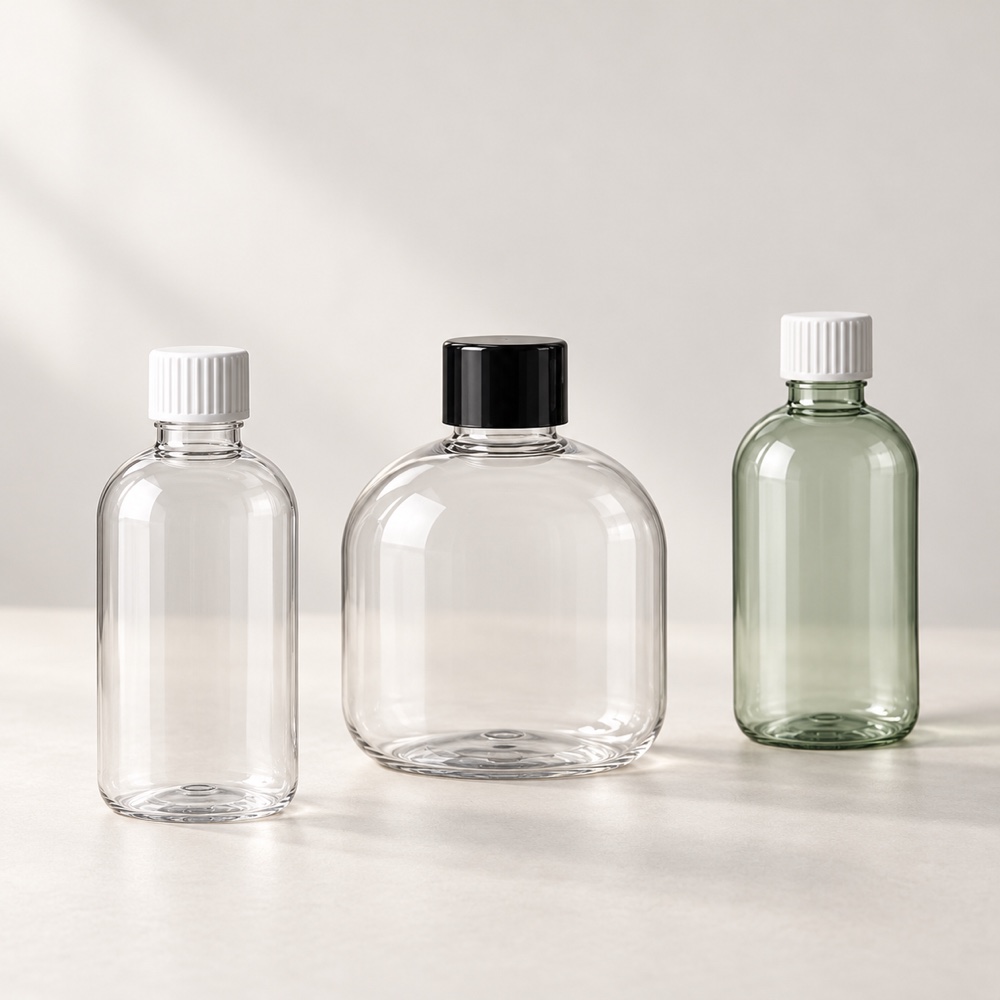
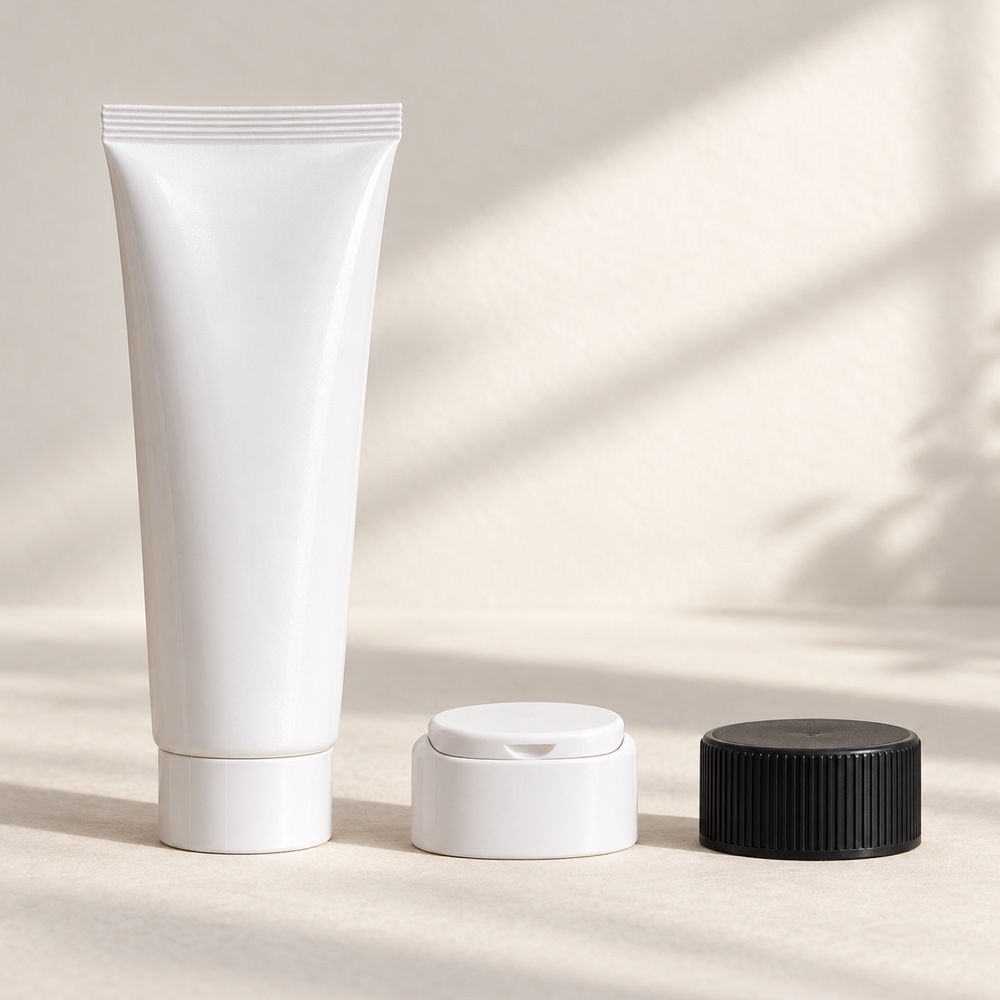
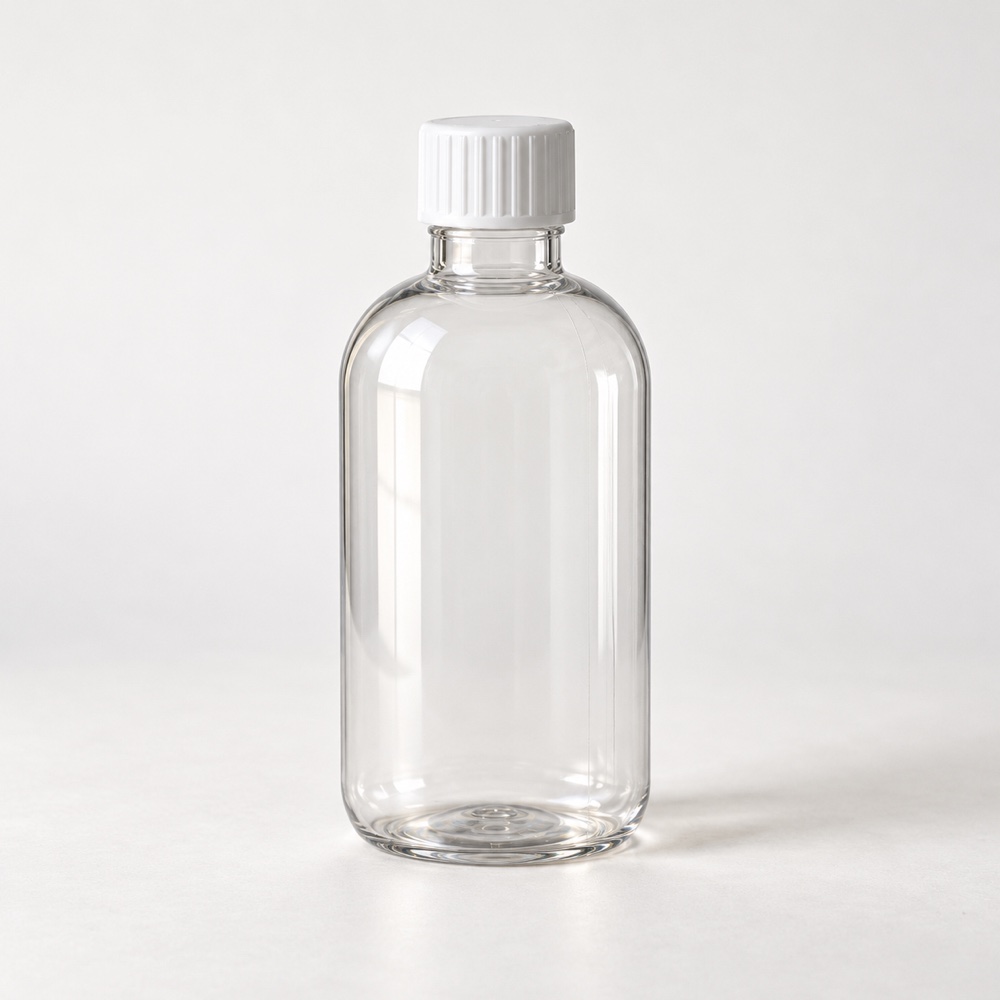
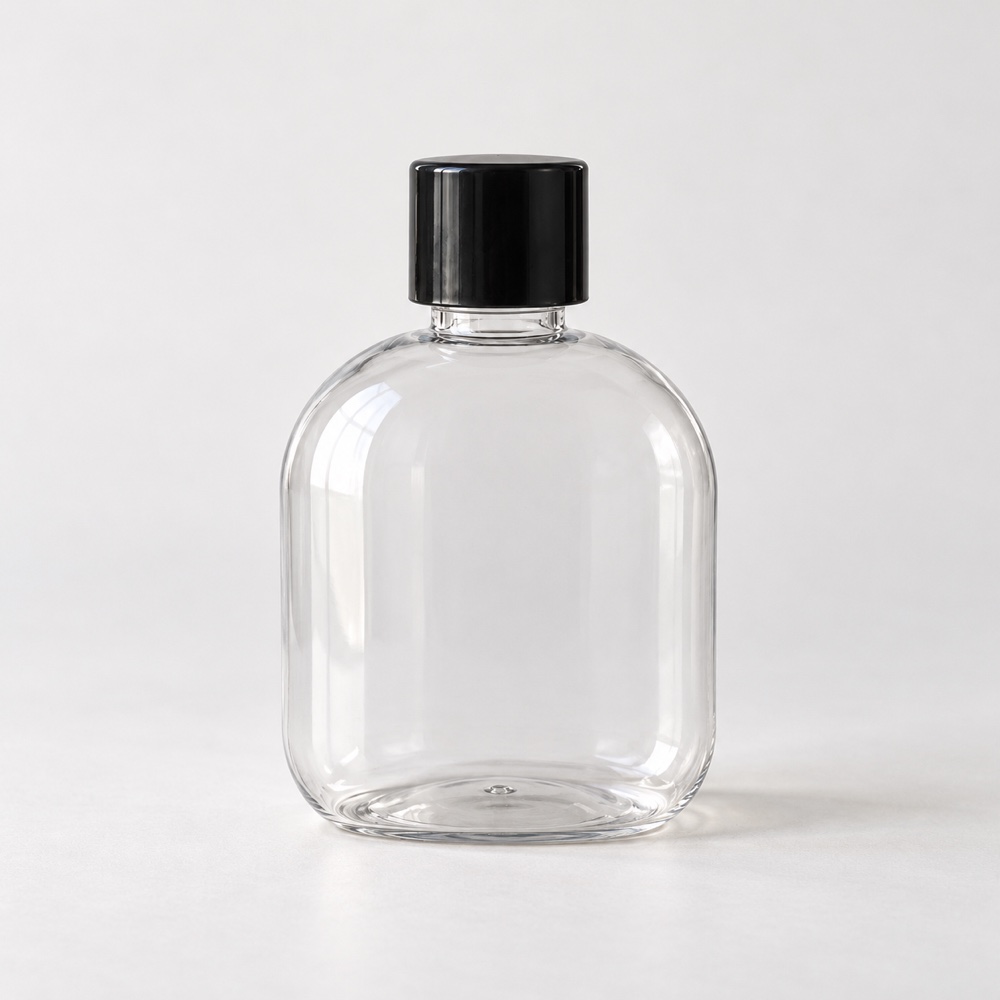
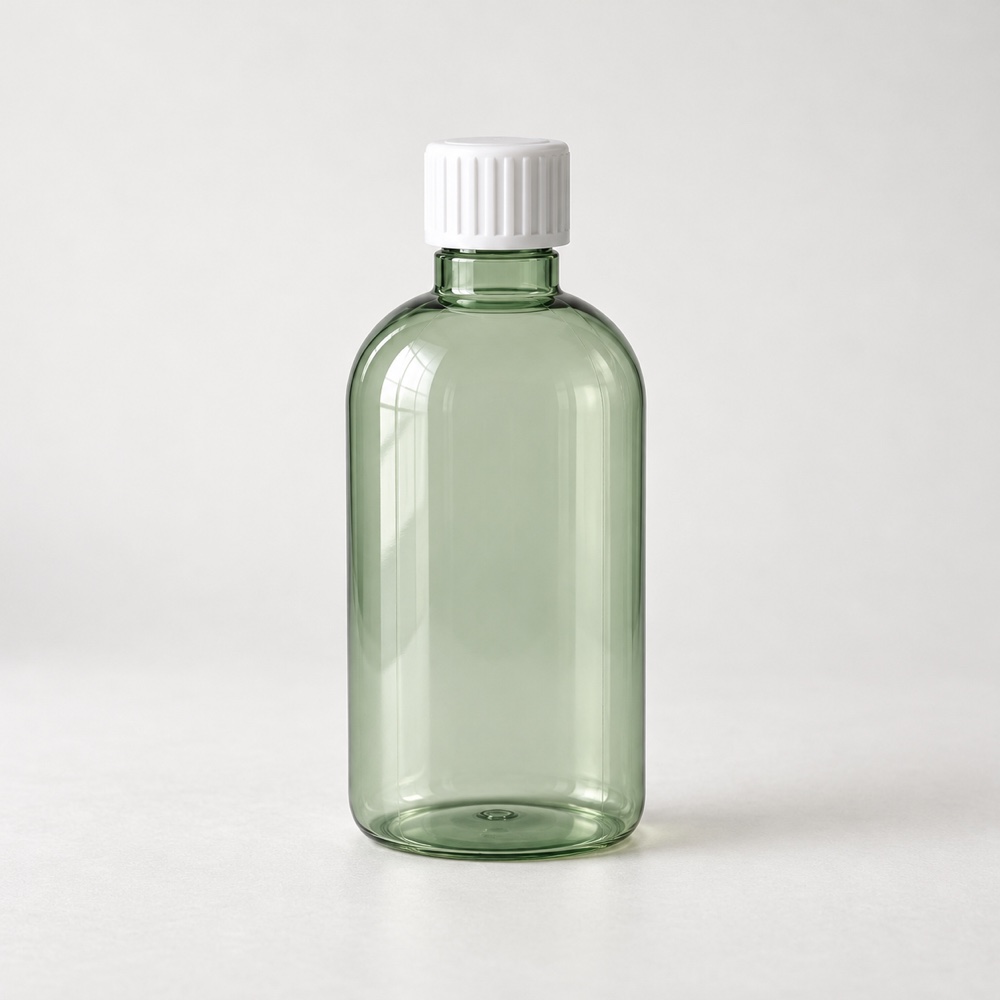
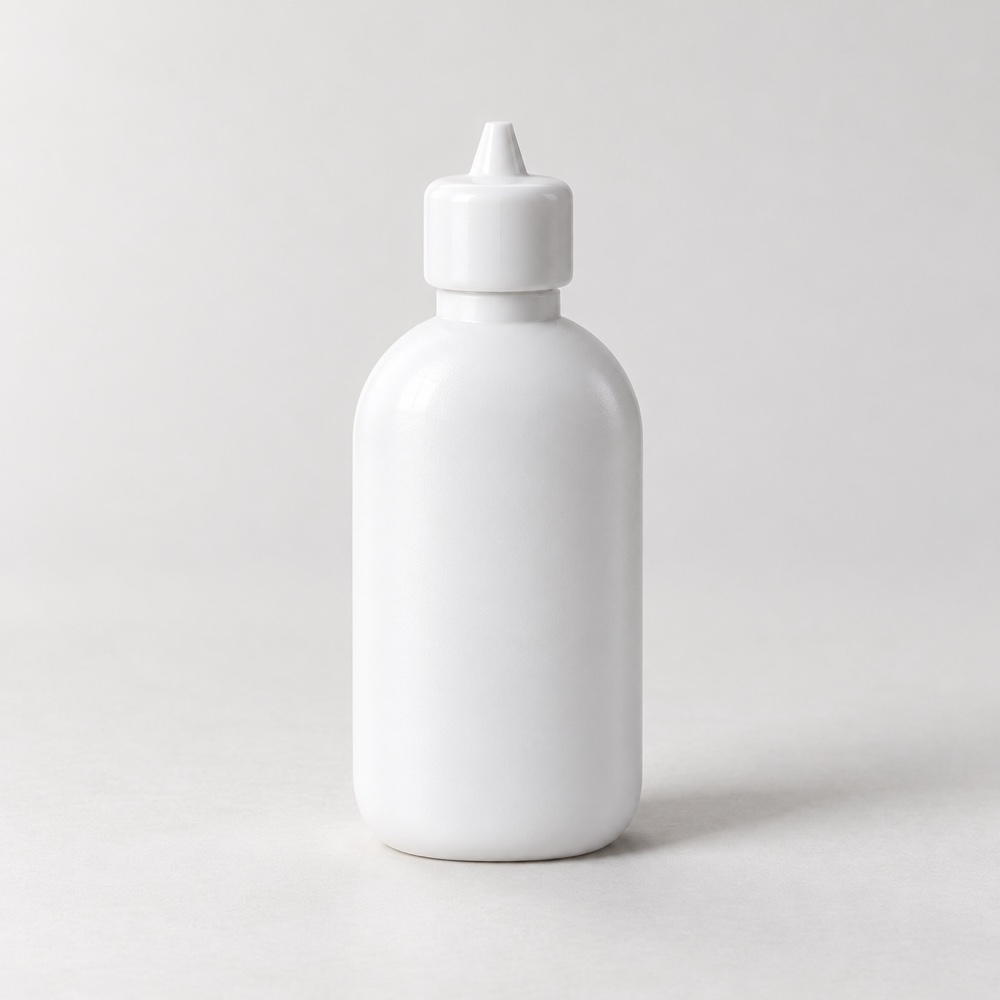
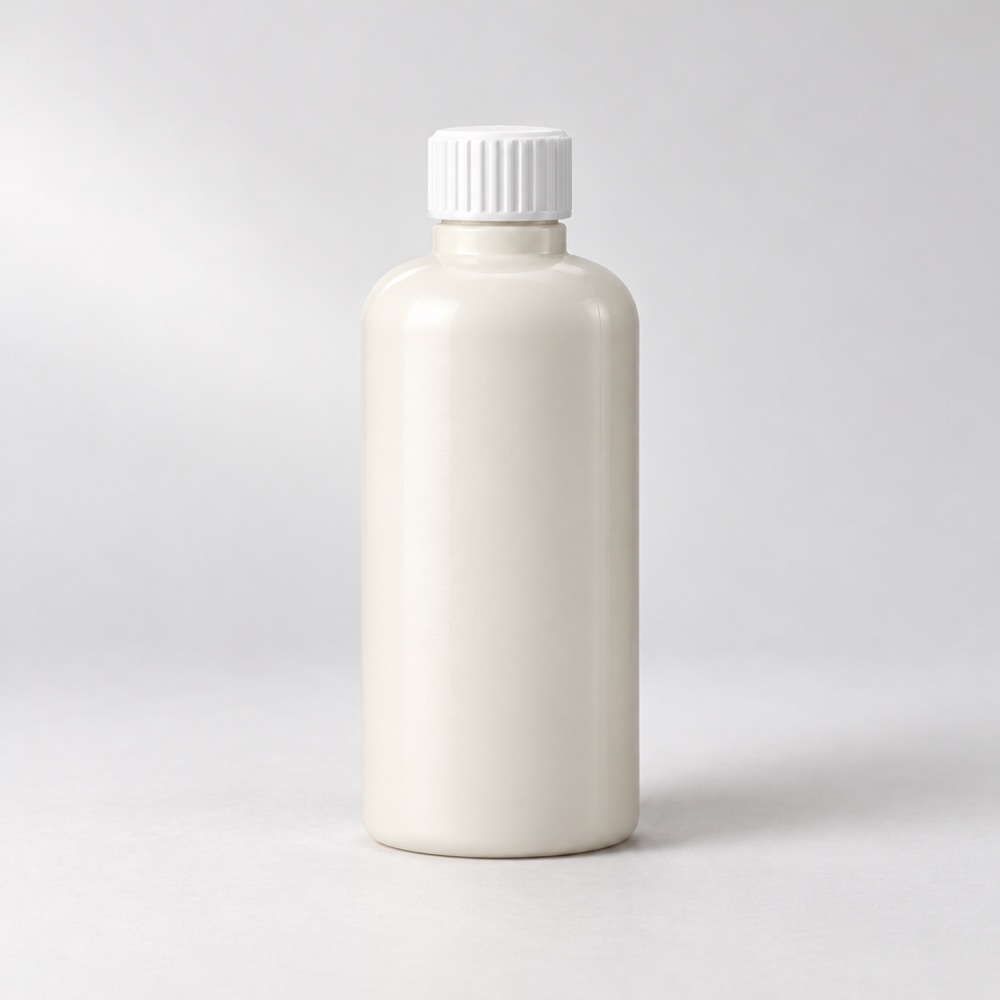
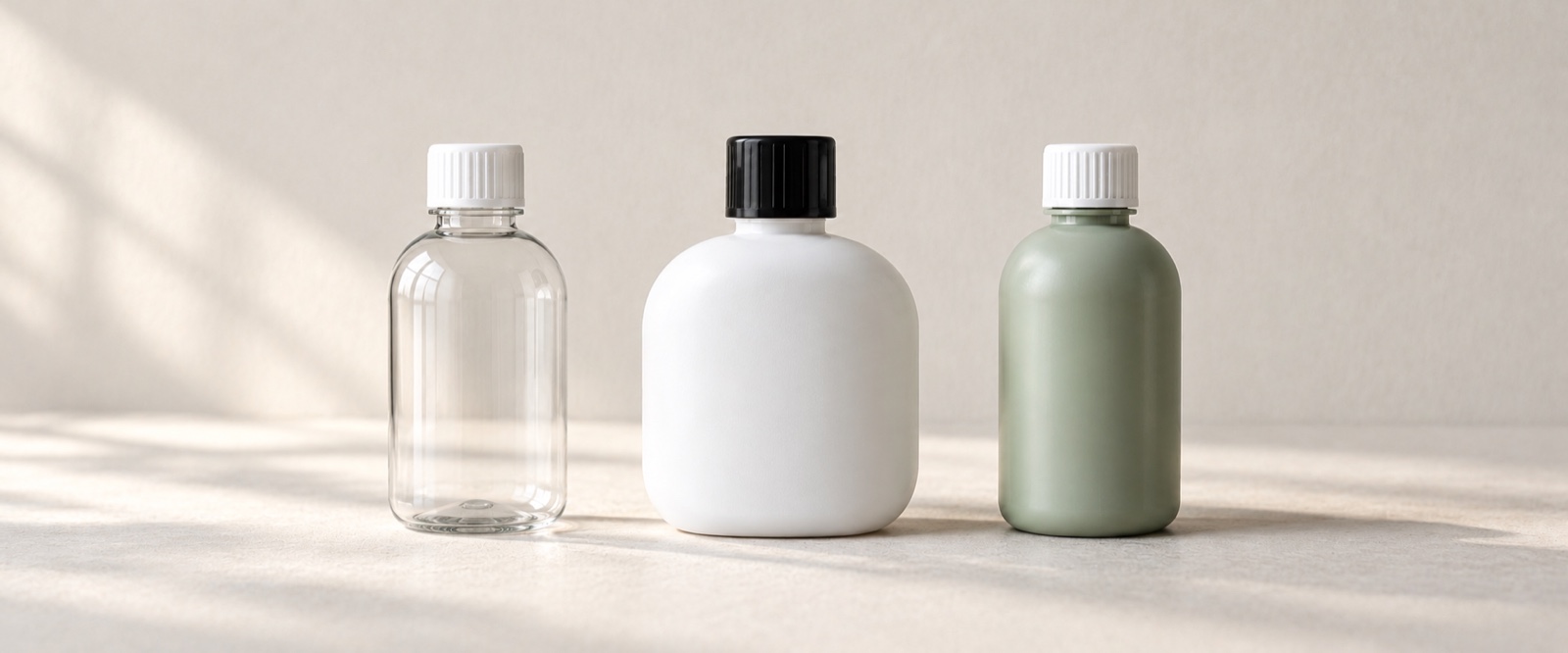
| PET / PETG | Boston round, cosmo round and toner bottle designs | Which exact resin and grade? What neck and closure? What filling conditions are supported? |
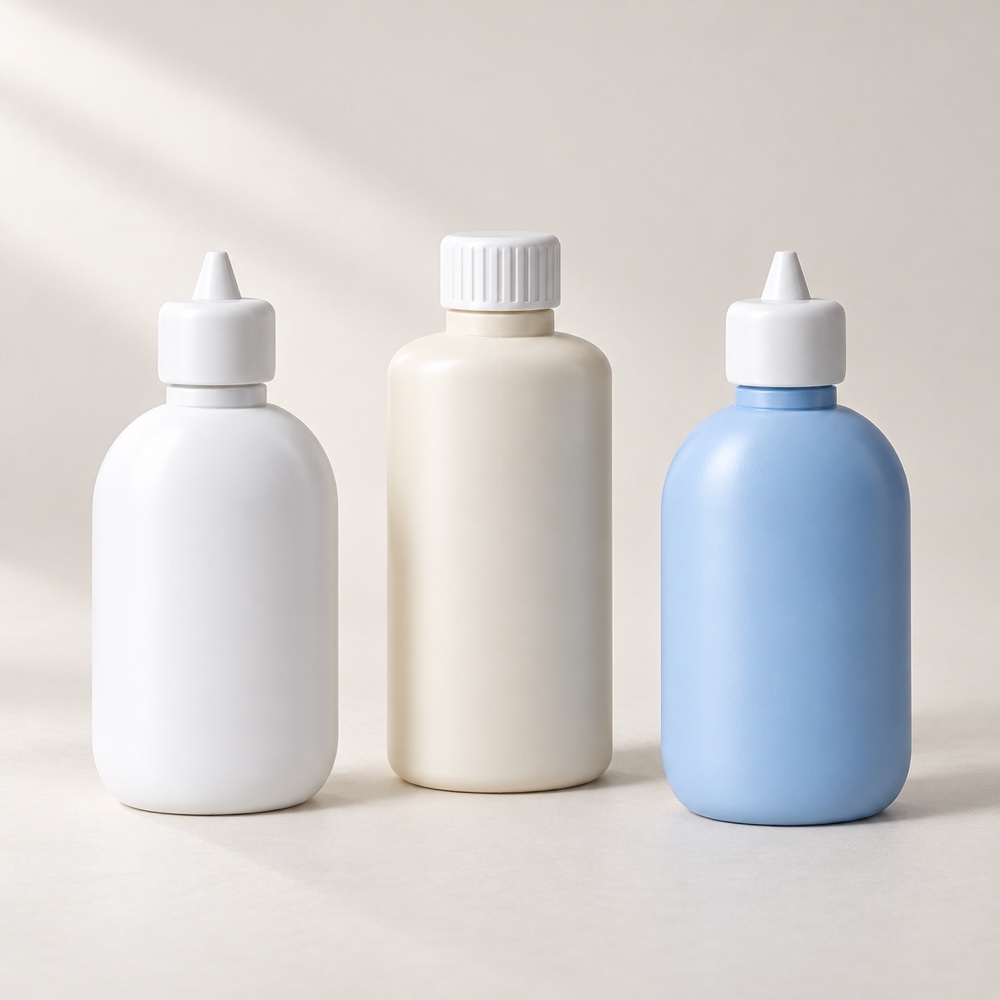
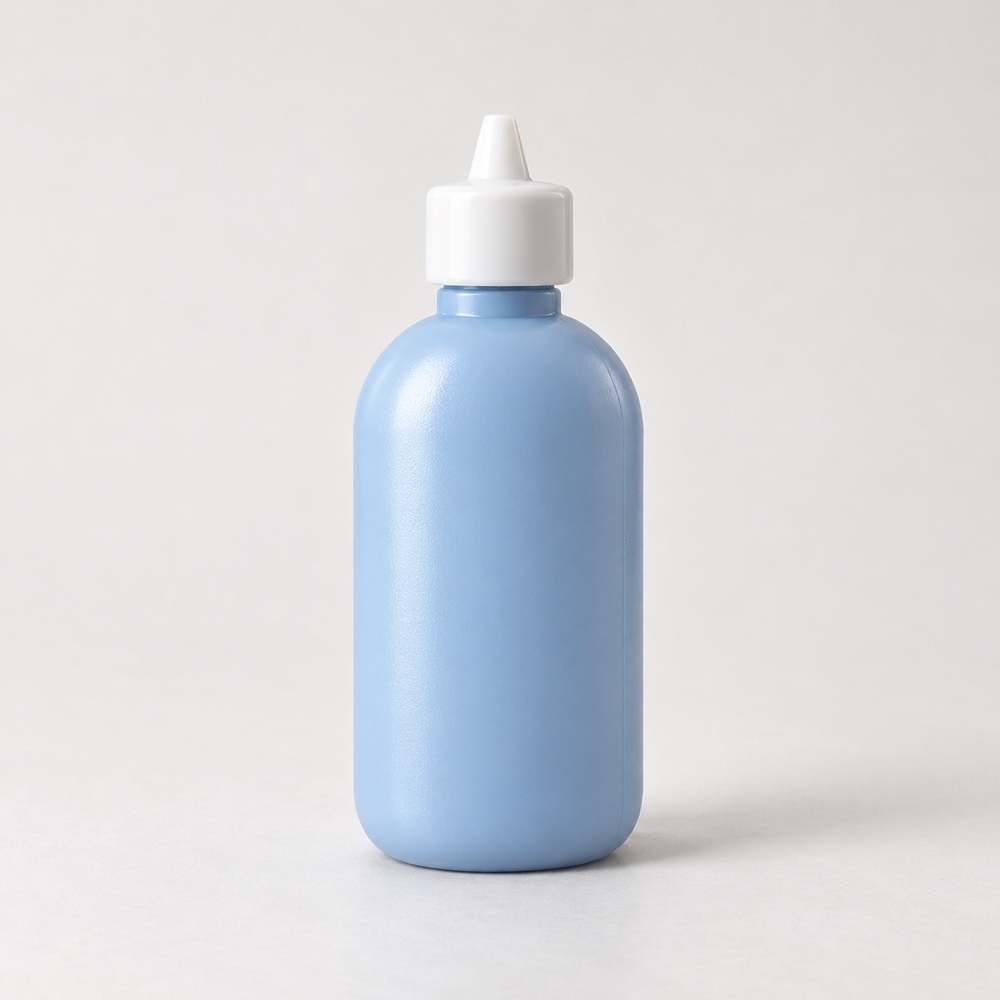
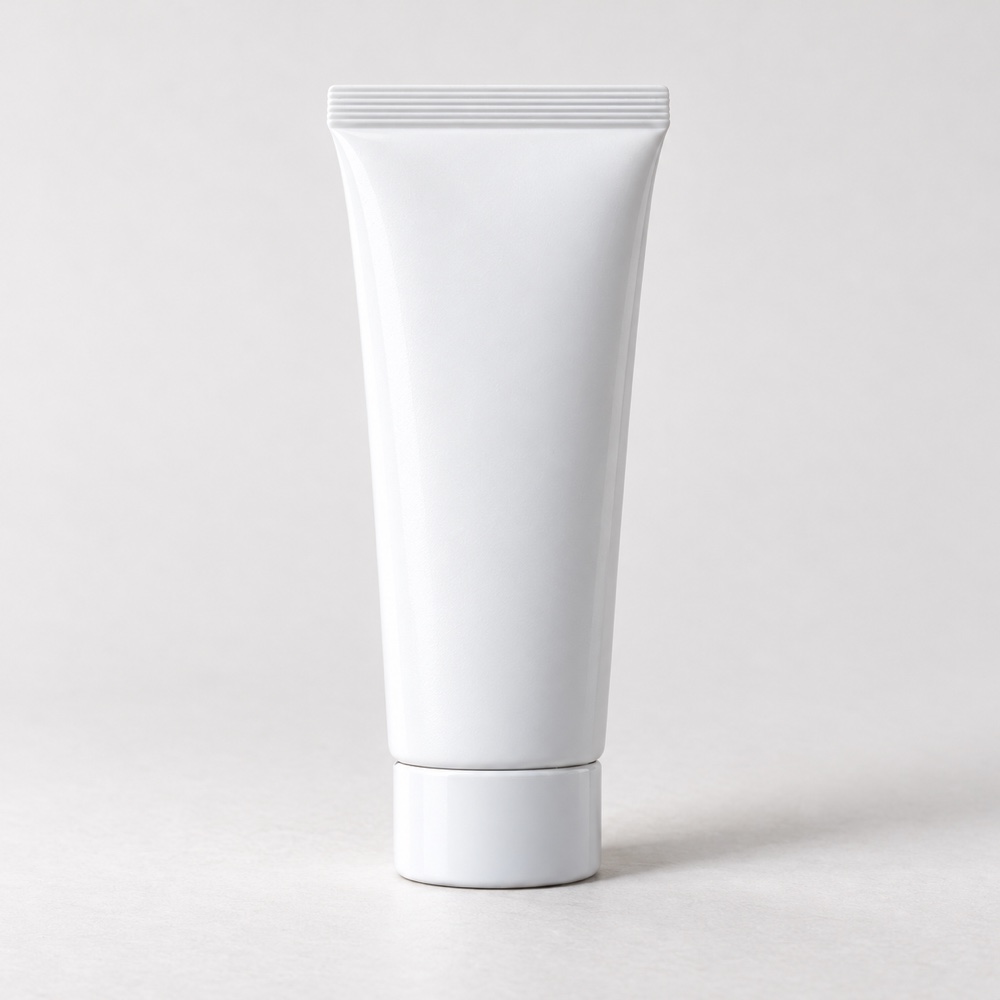
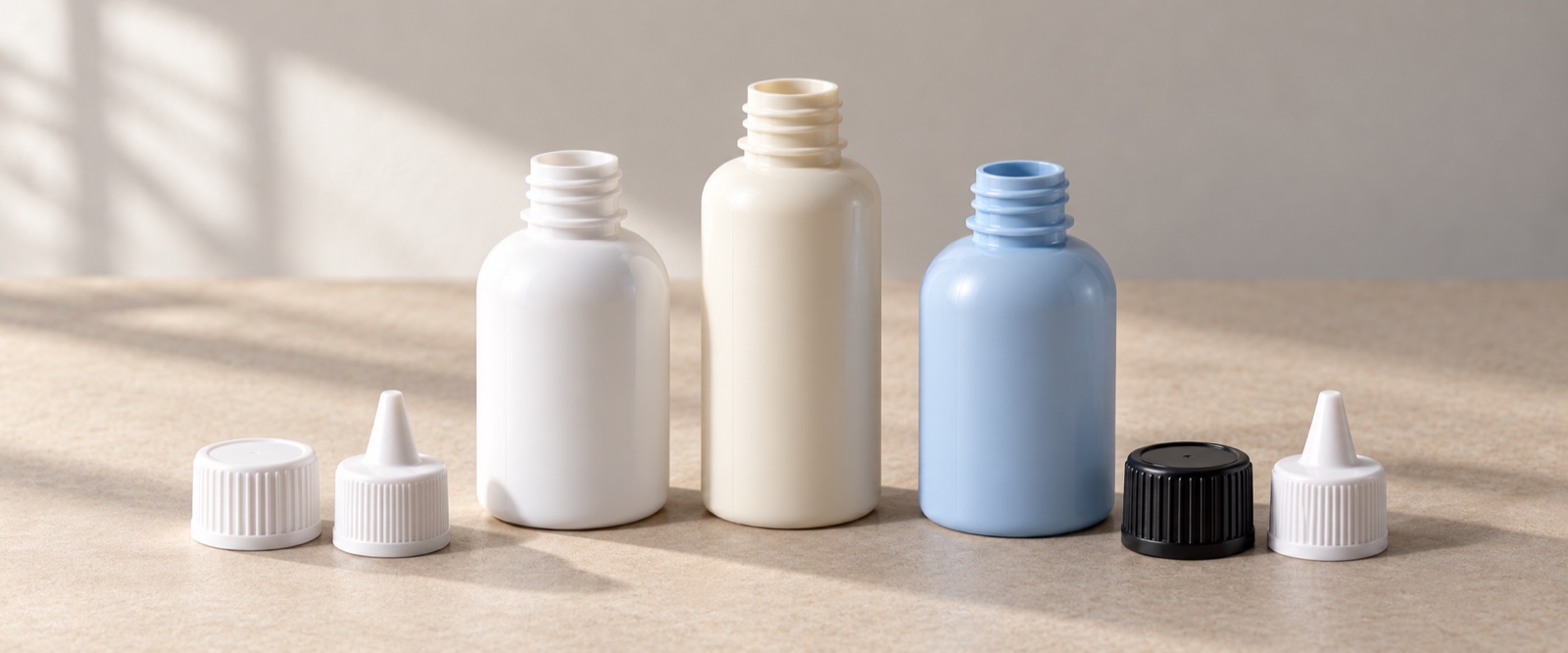
| HDPE | Lotion, cylinder and squeeze bottles | Does the bottle need to squeeze, pour or work with a pump? How will the filled pack be shipped? |
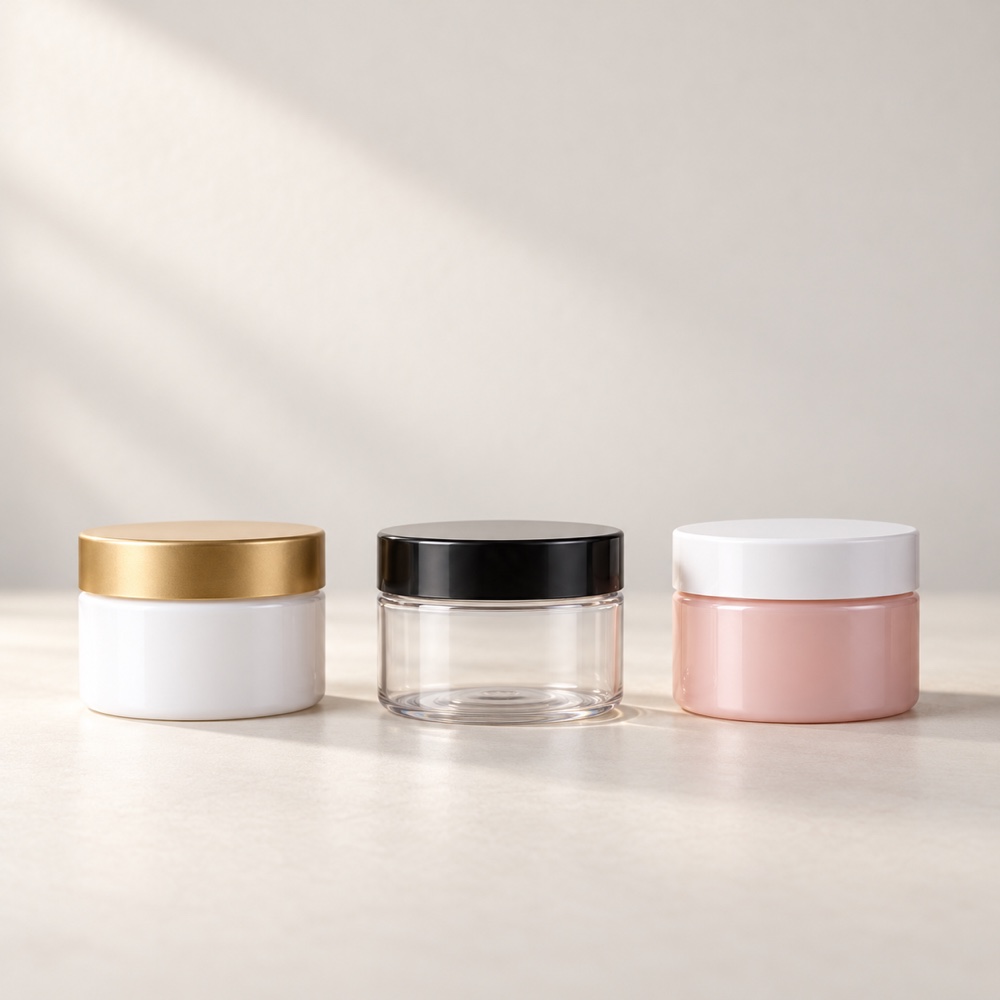
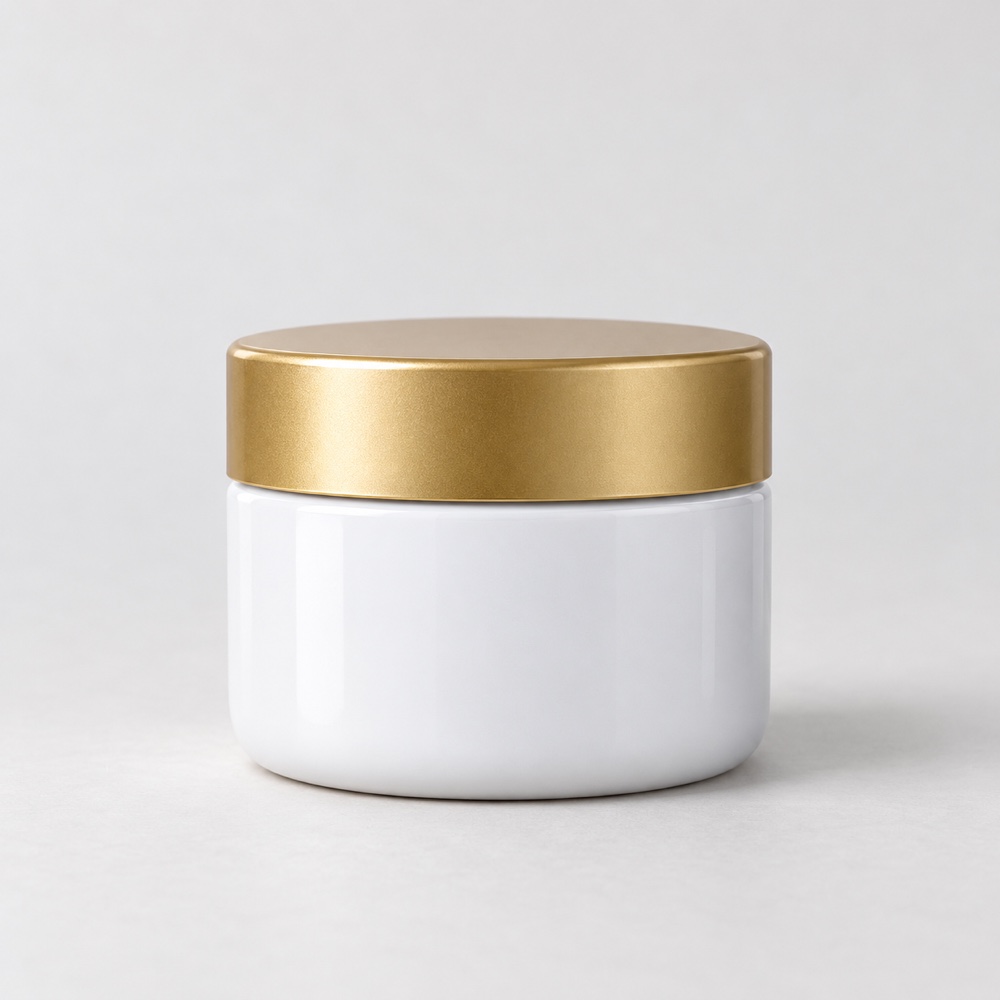
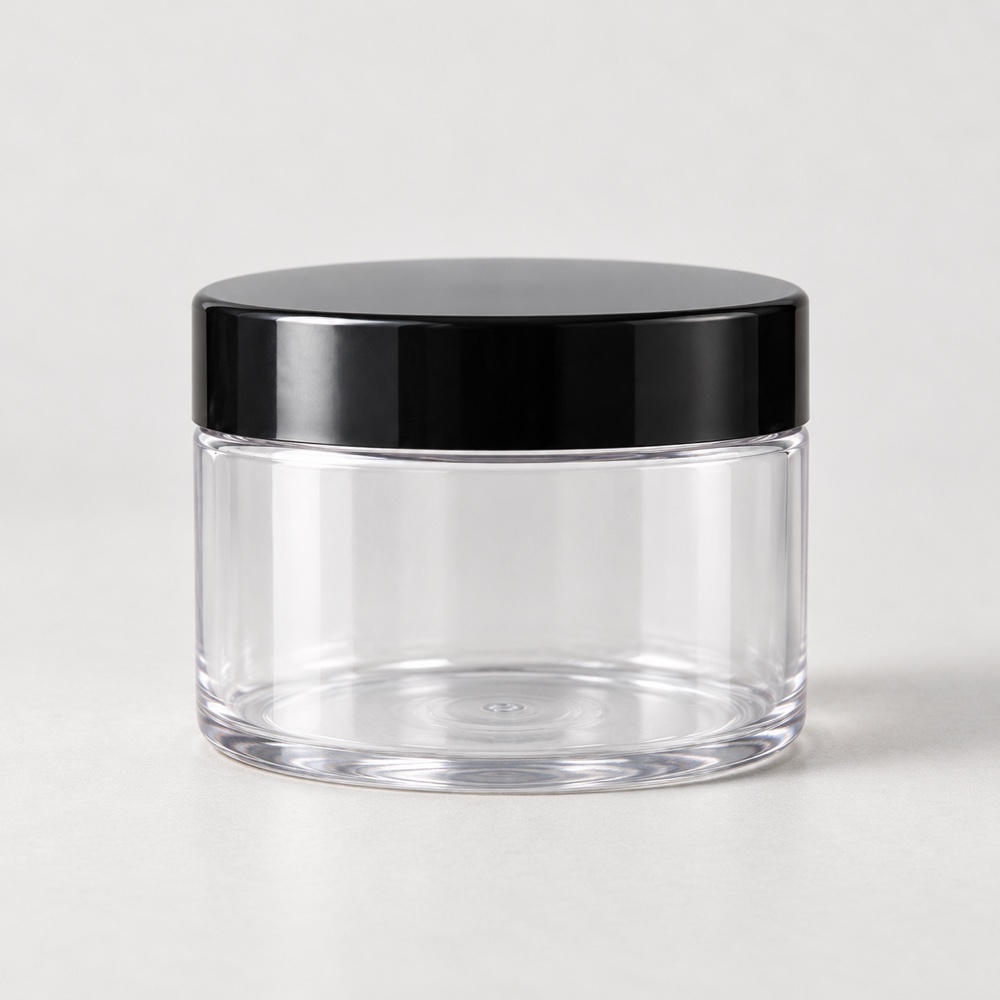
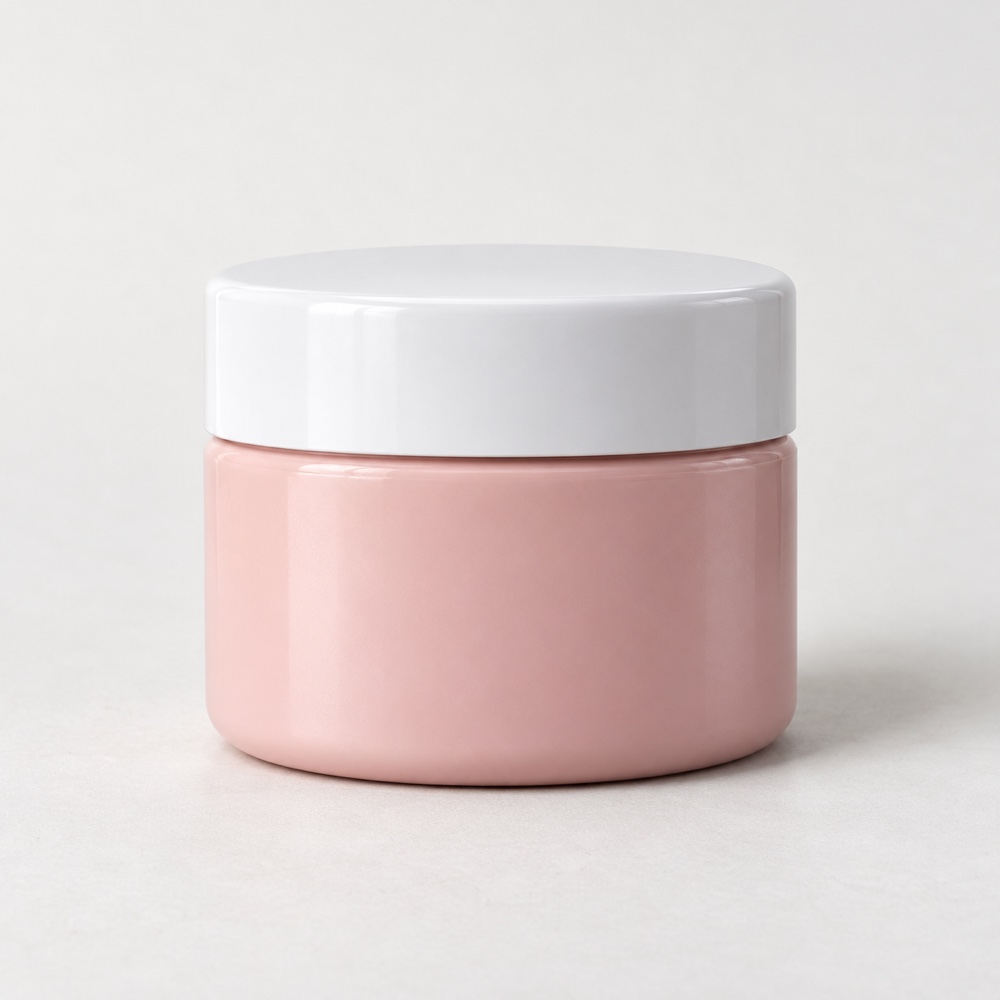
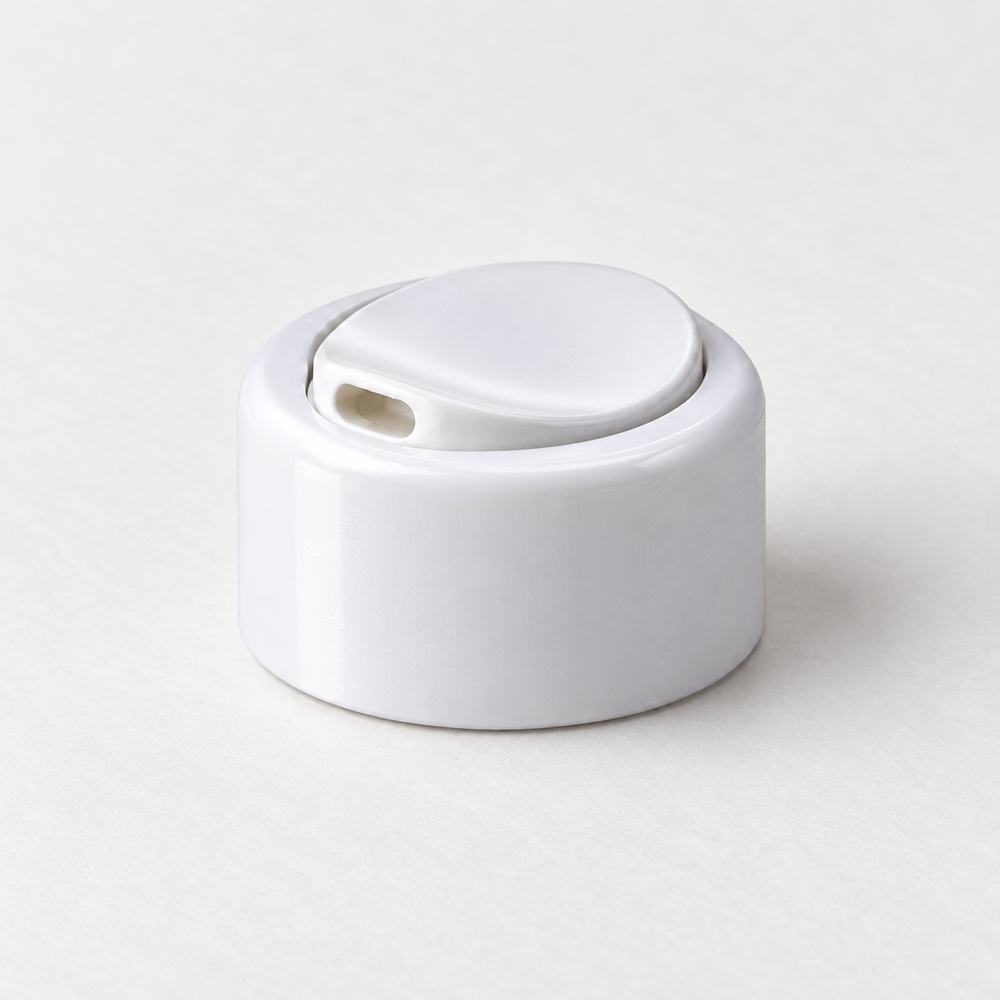
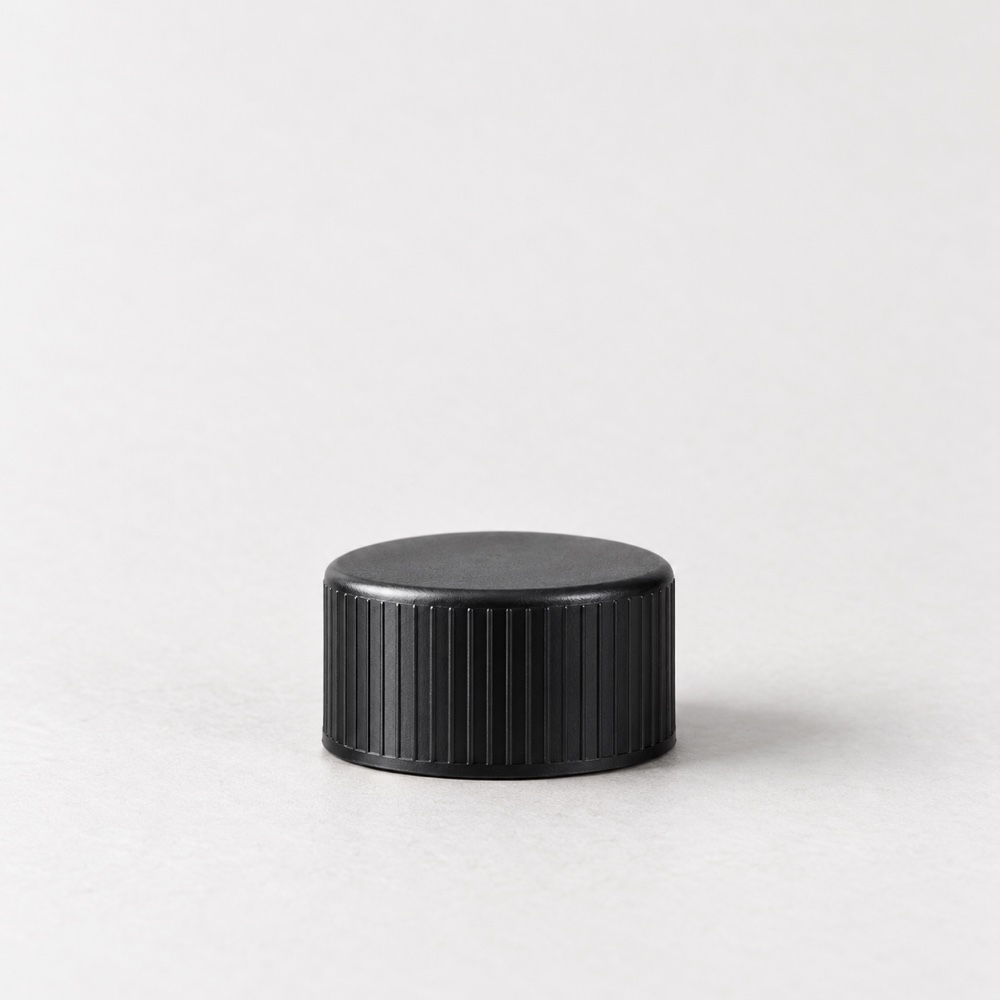
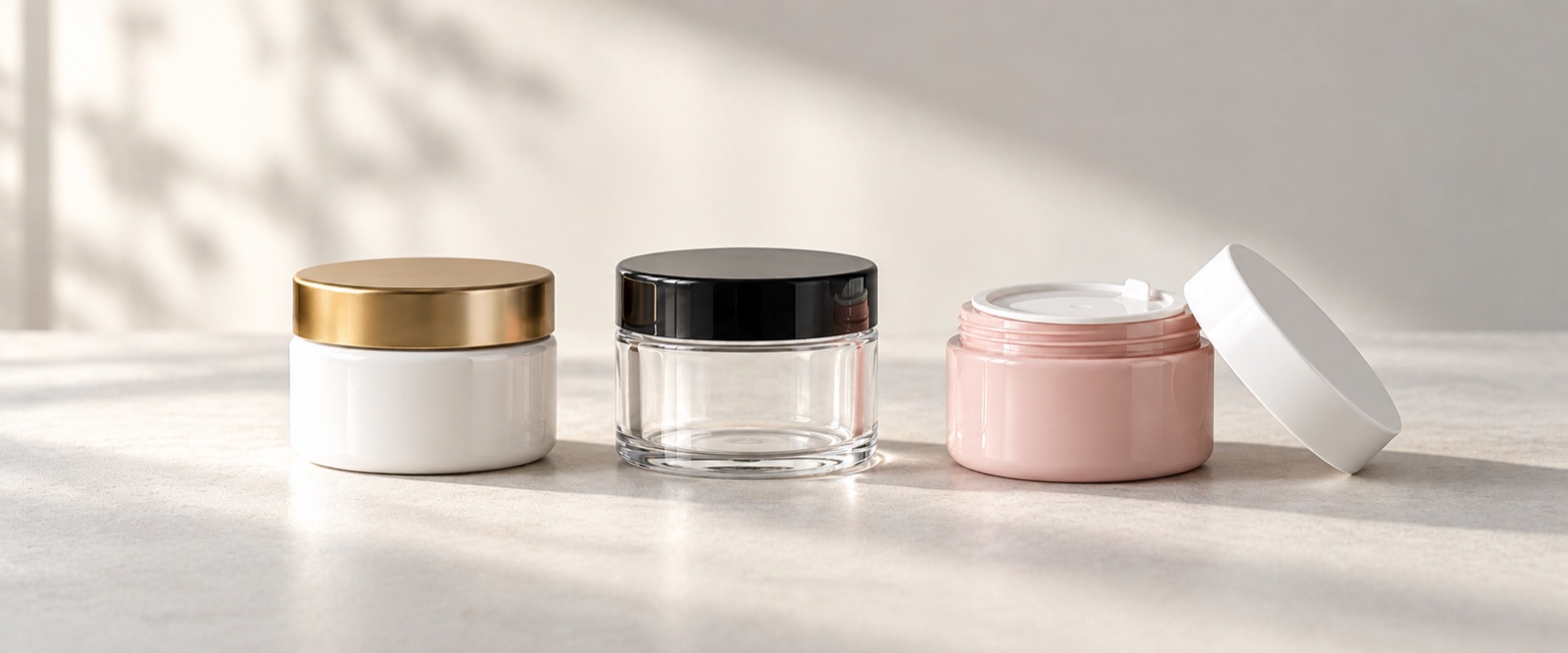
| PP | Cream jars, mask jars, caps and selected airless pack components | What are the lid, liner, seal and dispensing components? Is the complete material specification available? |
Match material, formula and filling process
Tell your supplier the product type, intended fill volume and filling method. Where relevant, provide ingredient information needed for a compatibility assessment and the expected filling and storage conditions. Ask for the specification for the exact model; PET and PETG, or different grades of one polymer, should not be treated as interchangeable.
Sample the complete decorated pack where possible. Compatibility testing should use the actual product and include the bottle or jar, cap or pump, liner and any other product-contact components. Agree the test method, duration and acceptance criteria with the people responsible for your product.
Check closures, dispensing and usable capacity
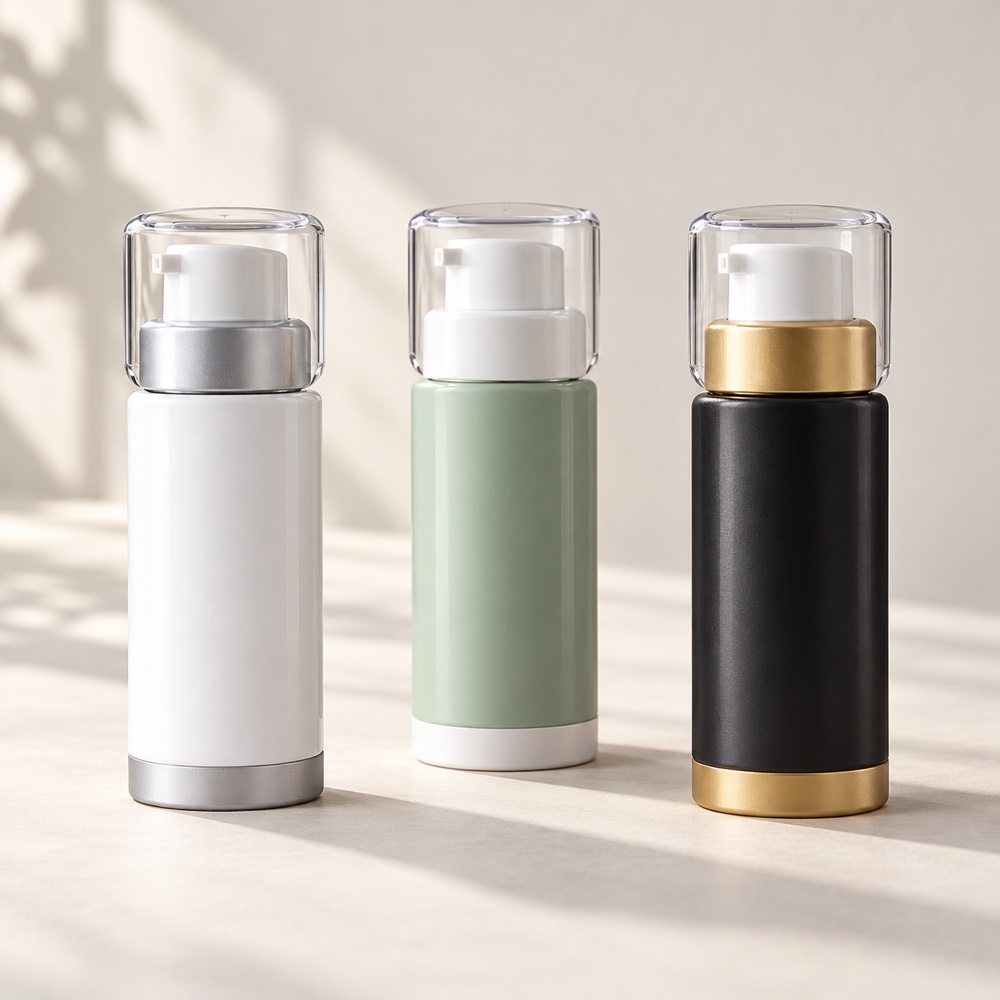
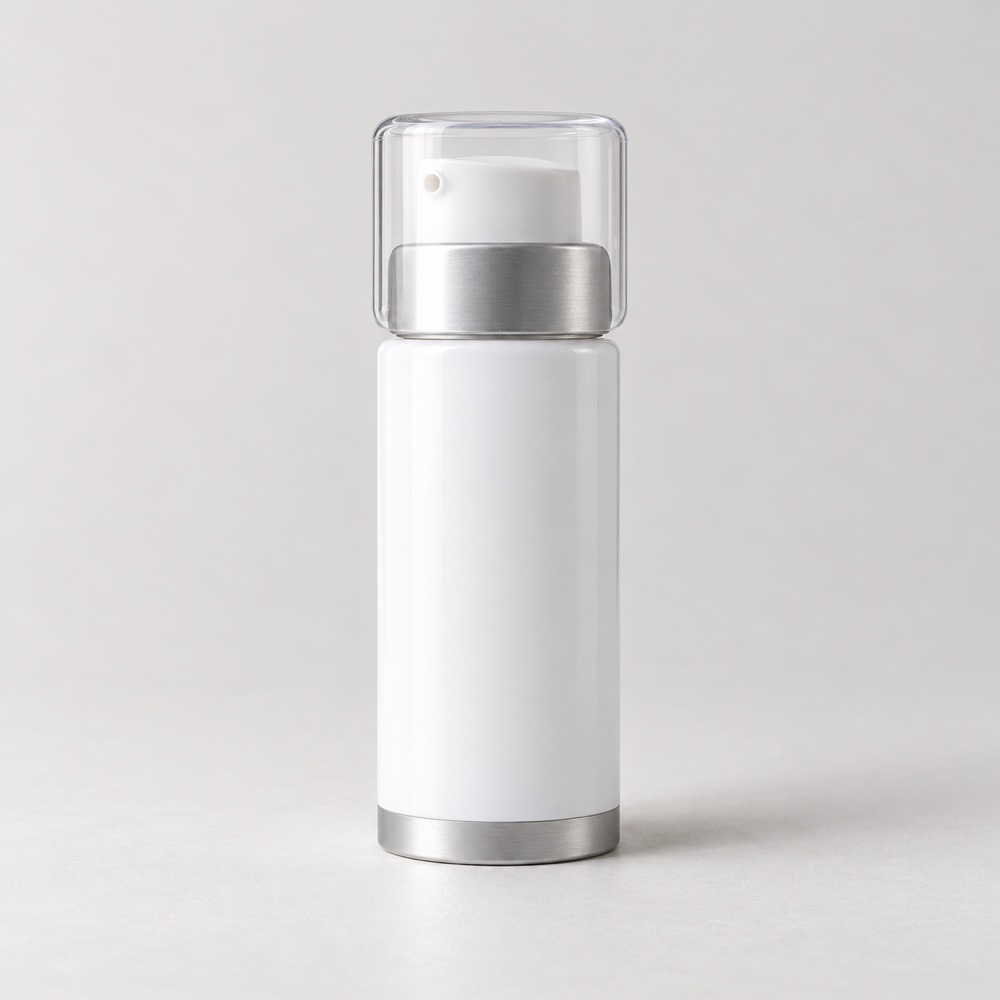
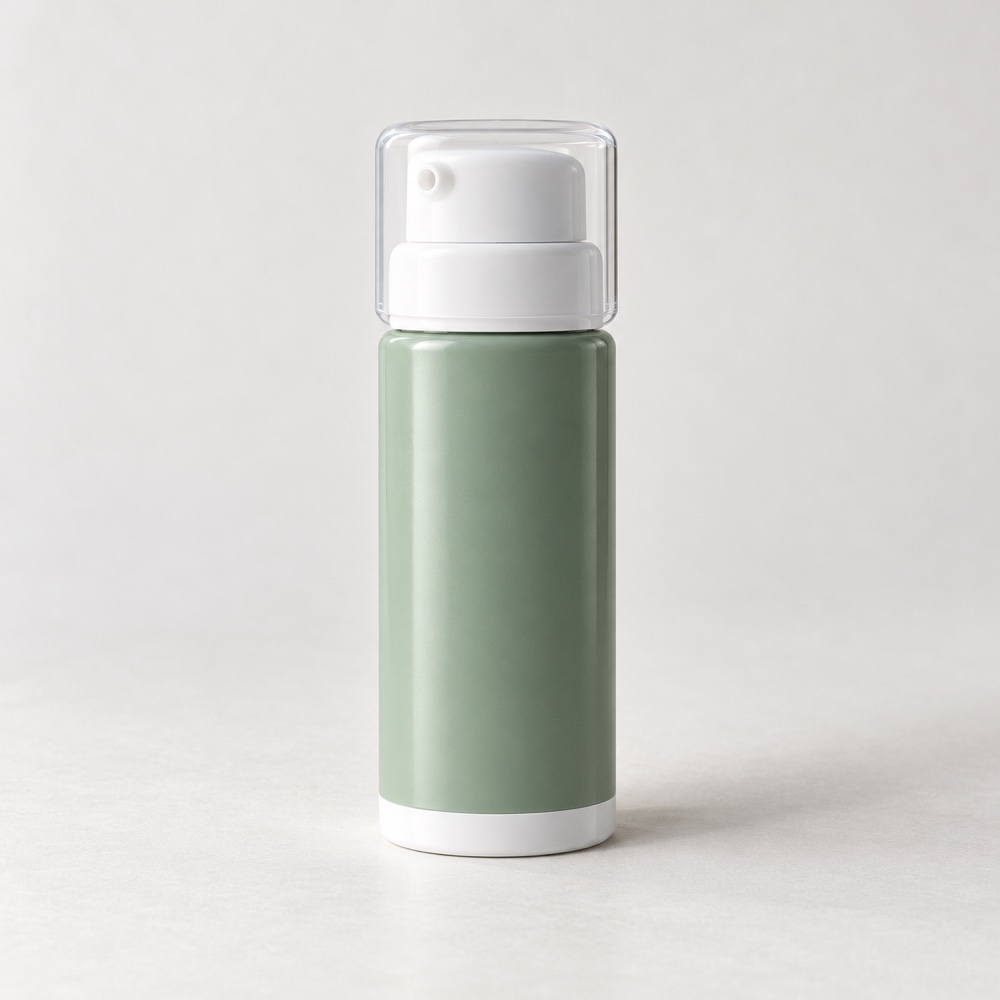
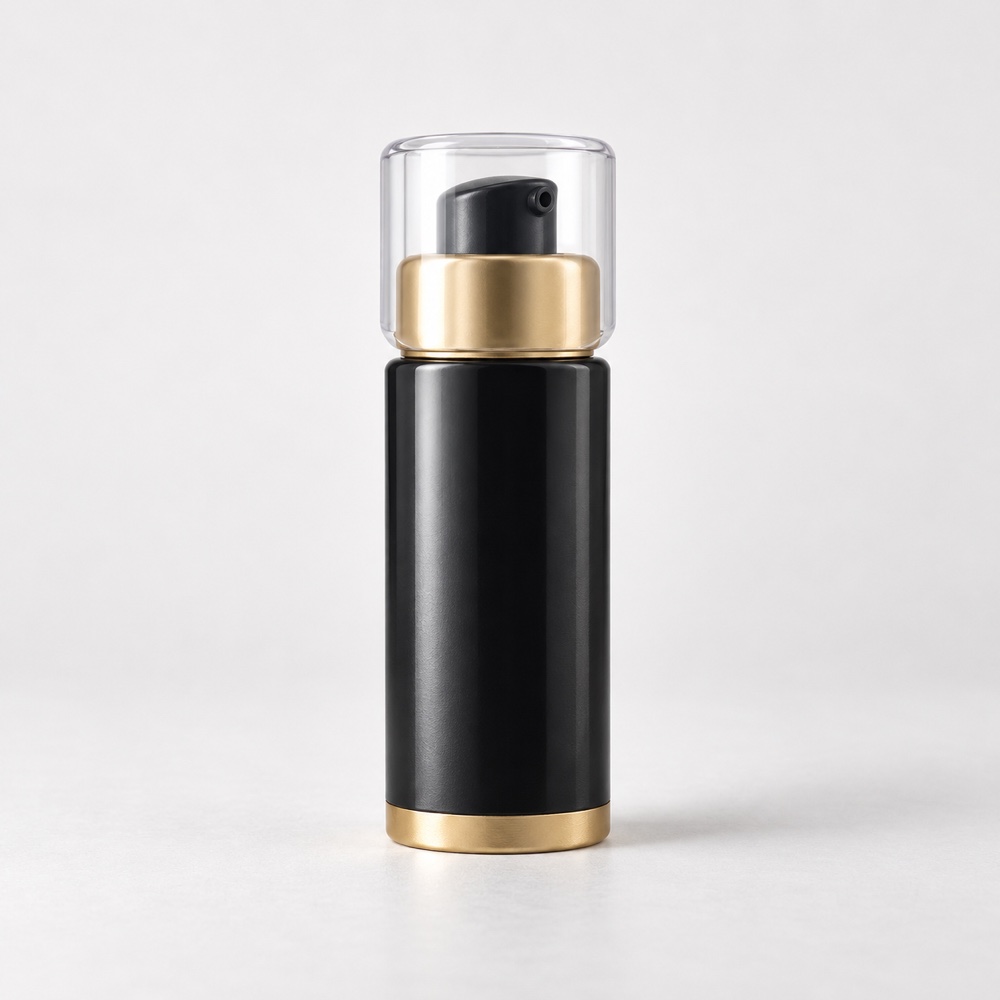
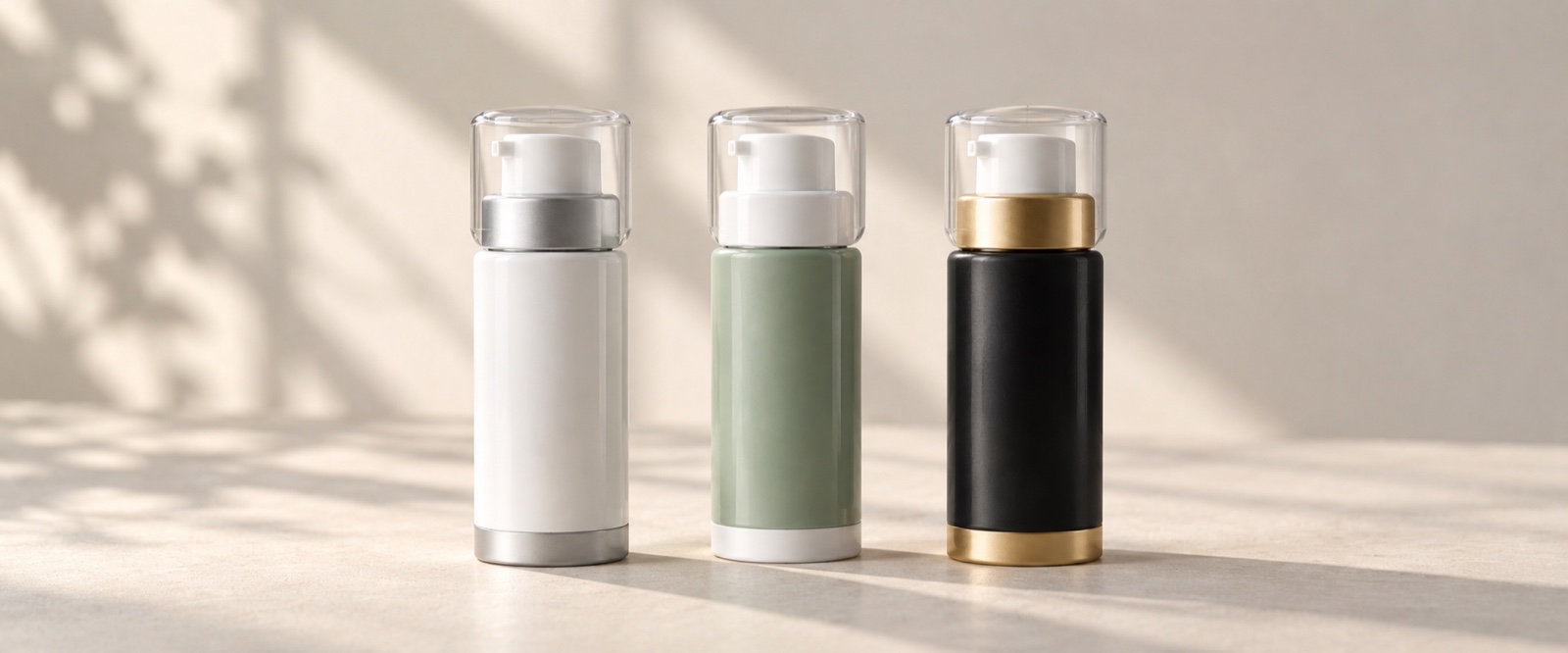
A stated neck finish is a starting point for matching components. Ask for drawings and confirm fit with assembled samples. For pumps, confirm the output per stroke, dip tube or airless mechanism and filling instructions. For jars, confirm usable fill capacity and the sealing system.
Keep weight and volume separate: a cream jar described in grams does not establish how many millilitres of your formula it will hold. Confirm the target fill with the product and leave the headspace required by the selected pack and process.
Evaluate recycling claims for the destination market
Check recyclability at the complete-pack level. The resin, color, closure, label, adhesive and decoration can affect compatibility with a recycling stream. Recycled content and recyclability are separate questions; request evidence for any recycled-content claim on the specific product being quoted.
For design assessment, consult the APR Design Guide and RecyClass Design for Recycling Guidelines. These resources address compatibility with recycling streams; they do not certify the products on this website.
What to include in a packaging RFQ
Ask for the MOQ, available samples, component specifications, decoration costs and lead time to be confirmed with the quotation. Begin with our PET bottles, HDPE bottles or cosmetic jars, then request samples for the shortlisted design.
Need help choosing?
Send your formula, target size and quantity. We will recommend options and send samples.
Ask our team